CVEs of 2024.
Every CVE published in 2024 that we hold, ranked by exploit odds.
-
CVE-2024-36840
SQL Injection vulnerability in Boelter Blue System Management v.1.3 allows a remote attacker to execute arbitrary code and obtain sensitive information via the id parameter to news_details.php and location_details.php; and the section parameter to services.php.
-
CVE-2024-28941
Microsoft ODBC Driver for SQL Server Remote Code Execution Vulnerability
-
CVE-2024-51211
SQL injection vulnerability exists in OS4ED openSIS-Classic Version 9.1, specifically in the resetuserinfo.php file. The vulnerability is due to improper input validation of the $username_stn_id parameter, which can be manipulated by an attacker to inject arbitrary SQL commands.
-
CVE-2023-40476
GStreamer H265 Parsing Stack-based Buffer Overflow Remote Code Execution Vulnerability. This vulnerability allows remote attackers to execute arbitrary code on affected installations of GStreamer. Interaction with this library is required to exploit this vulnerability but attack vectors may vary depending on the implementation. The specific flaw exists within the parsing of H265 encoded video files. The issue results from the lack of proper validation of the length of user-supplied data prior to copying it to a fixed-length stack-based buffer. An attacker can leverage this vulnerability to execute code in the context of the current process. . Was ZDI-CAN-21768.
-
CVE-2024-5990
Due to an improper input validation, an unauthenticated threat actor can send a malicious message to a monitor thread within Rockwell Automation ThinServer™ and cause a denial-of-service condition on the affected device.
-
CVE-2024-36130
An insufficient authorization vulnerability in web component of EPMM prior to 12.1.0.1 allows an unauthorized attacker within the network to execute arbitrary commands on the underlying operating system of the appliance.
-
CVE-2024-7896
A vulnerability was found in Tosei Online Store Management System ネット店舗管理システム 4.02/4.03/4.04. It has been rated as critical. Affected by this issue is some unknown functionality of the file /cgi-bin/p1_ftpserver.php. The manipulation of the argument adr_txt leads to command injection. The attack may be launched remotely. The exploit has been disclosed to the public and may be used. NOTE: The vendor was contacted early about this disclosure but did not respond in any way.
-
CVE-2024-30502
Improper Neutralization of Special Elements used in an SQL Command ('SQL Injection') vulnerability in WP Travel Engine.This issue affects WP Travel Engine: from n/a through 5.7.9.
-
CVE-2024-30498
Improper Neutralization of Special Elements used in an SQL Command ('SQL Injection') vulnerability in CRM Perks CRM Perks Forms.This issue affects CRM Perks Forms: from n/a through 1.1.4.
-
CVE-2024-30490
Improper Neutralization of Special Elements used in an SQL Command ('SQL Injection') vulnerability in Metagauss ProfileGrid.This issue affects ProfileGrid : from n/a through 5.7.8.
-
CVE-2024-53940
An issue was discovered in Victure RX1800 WiFi 6 Router (software EN_V1.0.0_r12_110933, hardware 1.0) devices. Certain /cgi-bin/luci/admin endpoints are vulnerable to command injection. Attackers can exploit this by sending crafted payloads through parameters intended for the ping utility, enabling arbitrary command execution with root-level permissions on the device.
-
CVE-2024-41320
TOTOLINK A6000R V1.0.1-B20201211.2000 was discovered to contain a command injection vulnerability via the ifname parameter in the get_apcli_conn_info function.
-
CVE-2024-54152
Angular Expressions provides expressions for the Angular.JS web framework as a standalone module. Prior to version 1.4.3, an attacker can write a malicious expression that escapes the sandbox to execute arbitrary code on the system. With a more complex (undisclosed) payload, one can get full access to Arbitrary code execution on the system. The problem has been patched in version 1.4.3 of Angular Expressions. Two possible workarounds are available. One may either disable access to `__proto__` globally or make sure that one uses the function with just one argument.
-
CVE-2023-7164
The BackWPup WordPress plugin before 4.0.4 does not prevent Directory Listing in its temporary backup folder, allowing unauthenticated attackers to download backups of a site's database.
-
CVE-2024-28085
wall in util-linux through 2.40, often installed with setgid tty permissions, allows escape sequences to be sent to other users' terminals through argv. (Specifically, escape sequences received from stdin are blocked, but escape sequences received from argv are not blocked.) There may be plausible scenarios where this leads to account takeover.
-
CVE-2024-46905
In WhatsUp Gold versions released before 2024.0.1, a SQL Injection vulnerability allows an authenticated lower-privileged user (at least Network Manager permissions required) to achieve privilege escalation to the admin account.
-
CVE-2024-46907
In WhatsUp Gold versions released before 2024.0.1, a SQL Injection vulnerability allows an authenticated low-privileged user (at least Report Viewer permissions required) to achieve privilege escalation to the admin account.
-
CVE-2024-46908
In WhatsUp Gold versions released before 2024.0.1, a SQL Injection vulnerability allows an authenticated low-privileged user (at least Report Viewer permissions required) to achieve privilege escalation to the admin account.
-
CVE-2024-8929
In PHP versions 8.1.* before 8.1.31, 8.2.* before 8.2.26, 8.3.* before 8.3.14, a hostile MySQL server can cause the client to disclose the content of its heap containing data from other SQL requests and possible other data belonging to different users of the same server.
-
CVE-2024-54382
Improper Limitation of a Pathname to a Restricted Directory ('Path Traversal') vulnerability in boldthemes Bold Page Builder bold-page-builder allows Path Traversal.This issue affects Bold Page Builder: from n/a through <= 5.1.5.
-
CVE-2024-4406
Xiaomi Pro 13 GetApps integral-dialog-page Cross-Site Scripting Remote Code Execution Vulnerability. This vulnerability allows remote attackers to execute arbitrary code on affected installations of Xiaomi Pro 13 smartphones. User interaction is required to exploit this vulnerability in that the target must visit a malicious page or open a malicious file. The specific flaw exists within the integral-dialog-page.html file. When parsing the integralInfo parameter, the process does not properly sanitize user-supplied data, which can lead to the injection of an arbitrary script. An attacker can leverage this vulnerability to execute code in the context of the current user. Was ZDI-CAN-22332.
-
CVE-2024-43602
Azure CycleCloud Remote Code Execution Vulnerability
-
CVE-2023-39476
Inductive Automation Ignition JavaSerializationCodec Deserialization of Untrusted Data Remote Code Execution Vulnerability. This vulnerability allows remote attackers to execute arbitrary code on affected installations of Inductive Automation Ignition. Authentication is not required to exploit this vulnerability. The specific flaw exists within the JavaSerializationCodec class. The issue results from the lack of proper validation of user-supplied data, which can result in deserialization of untrusted data. An attacker can leverage this vulnerability to execute code in the context of SYSTEM. Was ZDI-CAN-20291.
-
CVE-2024-21643
IdentityModel Extensions for .NET provide assemblies for web developers that wish to use federated identity providers for establishing the caller's identity. Anyone leveraging the `SignedHttpRequest`protocol or the `SignedHttpRequestValidator`is vulnerable. Microsoft.IdentityModel trusts the `jku`claim by default for the `SignedHttpRequest`protocol. This raises the possibility to make any remote or local `HTTP GET` request. The vulnerability has been fixed in Microsoft.IdentityModel.Protocols.SignedHttpRequest. Users should update all their Microsoft.IdentityModel versions to 7.1.2 (for 7x) or higher, 6.34.0 (for 6x) or higher.
-
CVE-2024-38199
Windows Line Printer Daemon (LPD) Service Remote Code Execution Vulnerability
-
CVE-2024-3177
A security issue was discovered in Kubernetes where users may be able to launch containers that bypass the mountable secrets policy enforced by the ServiceAccount admission plugin when using containers, init containers, and ephemeral containers with the envFrom field populated. The policy ensures pods running with a service account may only reference secrets specified in the service account’s secrets field. Kubernetes clusters are only affected if the ServiceAccount admission plugin and the kubernetes.io/enforce-mountable-secrets annotation are used together with containers, init containers, and ephemeral containers with the envFrom field populated.
-
CVE-2024-26581
In the Linux kernel, the following vulnerability has been resolved: netfilter: nft_set_rbtree: skip end interval element from gc rbtree lazy gc on insert might collect an end interval element that has been just added in this transactions, skip end interval elements that are not yet active.
-
CVE-2024-0579
A vulnerability classified as critical was found in Totolink X2000R 1.0.0-B20221212.1452. Affected by this vulnerability is the function formMapDelDevice of the file /boafrm/formMapDelDevice. The manipulation of the argument macstr leads to command injection. The attack can be launched remotely. The exploit has been disclosed to the public and may be used. The vendor was contacted early about this disclosure but did not respond in any way.
-
CVE-2024-43562
Windows Network Address Translation (NAT) Denial of Service Vulnerability
-
CVE-2024-43565
Windows Network Address Translation (NAT) Denial of Service Vulnerability
-
CVE-2024-43544
Microsoft Simple Certificate Enrollment Protocol Denial of Service Vulnerability
-
CVE-2024-43545
Windows Online Certificate Status Protocol (OCSP) Server Denial of Service Vulnerability
-
CVE-2024-28354
There is a command injection vulnerability in the TRENDnet TEW-827DRU router with firmware version 2.10B01. An attacker can inject commands into the post request parameters usapps.@smb[%d].username in the apply.cgi interface, thereby gaining root shell privileges.
-
CVE-2024-26202
DHCP Server Service Remote Code Execution Vulnerability
-
CVE-2024-26195
DHCP Server Service Remote Code Execution Vulnerability
-
CVE-2024-21400
Microsoft Azure Kubernetes Service Confidential Container Elevation of Privilege Vulnerability
-
CVE-2024-28915
Microsoft OLE DB Driver for SQL Server Remote Code Execution Vulnerability
-
CVE-2024-28911
Microsoft OLE DB Driver for SQL Server Remote Code Execution Vulnerability
-
CVE-2023-21586
Adobe Acrobat Reader versions 22.003.20282 (and earlier), 22.003.20281 (and earlier) and 20.005.30418 (and earlier) are affected by a NULL Pointer Dereference vulnerability. An unauthenticated attacker could leverage this vulnerability to achieve an application denial-of-service in the context of the current user. Exploitation of this issue requires user interaction in that a victim must open a malicious file.
-
CVE-2024-38149
BranchCache Denial of Service Vulnerability
-
CVE-2024-0411
A vulnerability was found in DeShang DSMall up to 6.1.0. It has been classified as problematic. This affects an unknown part of the file public/install.php of the component HTTP GET Request Handler. The manipulation leads to improper access controls. It is possible to initiate the attack remotely. The exploit has been disclosed to the public and may be used. The associated identifier of this vulnerability is VDB-250431.
-
CVE-2024-45505
Improper Neutralization of Special Elements used in a Command ('Command Injection') vulnerability in Apache HertzBeat (incubating). This vulnerability can only be exploited by authorized attackers. This issue affects Apache HertzBeat (incubating): before 1.6.1. Users are recommended to upgrade to version 1.6.1, which fixes the issue.
-
CVE-2024-9486
A security issue was discovered in the Kubernetes Image Builder versions <= v0.1.37 where default credentials are enabled during the image build process. Virtual machine images built using the Proxmox provider do not disable these default credentials, and nodes using the resulting images may be accessible via these default credentials. The credentials can be used to gain root access. Kubernetes clusters are only affected if their nodes use VM images created via the Image Builder project with its Proxmox provider.
-
CVE-2024-42634
A Command Injection vulnerability exists in formWriteFacMac of the httpd binary in Tenda AC9 v15.03.06.42. As a result, attacker can execute OS commands with root privileges.
-
CVE-2024-6232
There is a MEDIUM severity vulnerability affecting CPython. Regular expressions that allowed excessive backtracking during tarfile.TarFile header parsing are vulnerable to ReDoS via specifically-crafted tar archives.
-
CVE-2023-51647
Allegra saveInlineEdit Directory Traversal Remote Code Execution Vulnerability. This vulnerability allows remote attackers to execute arbitrary code on affected installations of Allegra. Although authentication is required to exploit this vulnerability, the existing authentication mechanism can be bypassed. The specific flaw exists within the saveInlineEdit method. The issue results from the lack of proper validation of a user-supplied path prior to using it in file operations. An attacker can leverage this vulnerability to execute code in the context of LOCAL SERVICE. Was ZDI-CAN-22528.
-
CVE-2023-51643
Allegra uploadFile Directory Traversal Remote Code Execution Vulnerability. This vulnerability allows remote attackers to execute arbitrary code on affected installations of Allegra. Although authentication is required to exploit this vulnerability, the existing authentication mechanism can be bypassed. The specific flaw exists within the uploadFile method. The issue results from the lack of proper validation of a user-supplied path prior to using it in file operations. An attacker can leverage this vulnerability to execute code in the context of LOCAL SERVICE. Was ZDI-CAN-22510.
-
CVE-2024-28888
A use-after-free vulnerability exists in the way Foxit Reader 2024.1.0.23997 handles a checkbox field object. A specially crafted Javascript code inside a malicious PDF document can trigger this vulnerability, which can lead to memory corruption and result in arbitrary code execution. An attacker needs to trick the user into opening the malicious file to trigger this vulnerability. Exploitation is also possible if a user visits a specially crafted, malicious site if the browser plugin extension is enabled.
-
CVE-2024-26152
### Summary On all Label Studio versions prior to 1.11.0, data imported via file upload feature is not properly sanitized prior to being rendered within a [`Choices`](https://labelstud.io/tags/choices) or [`Labels`](https://labelstud.io/tags/labels) tag, resulting in an XSS vulnerability. ### Details Need permission to use the "data import" function. This was reproduced on Label Studio 1.10.1. ### PoC 1. Create a project. 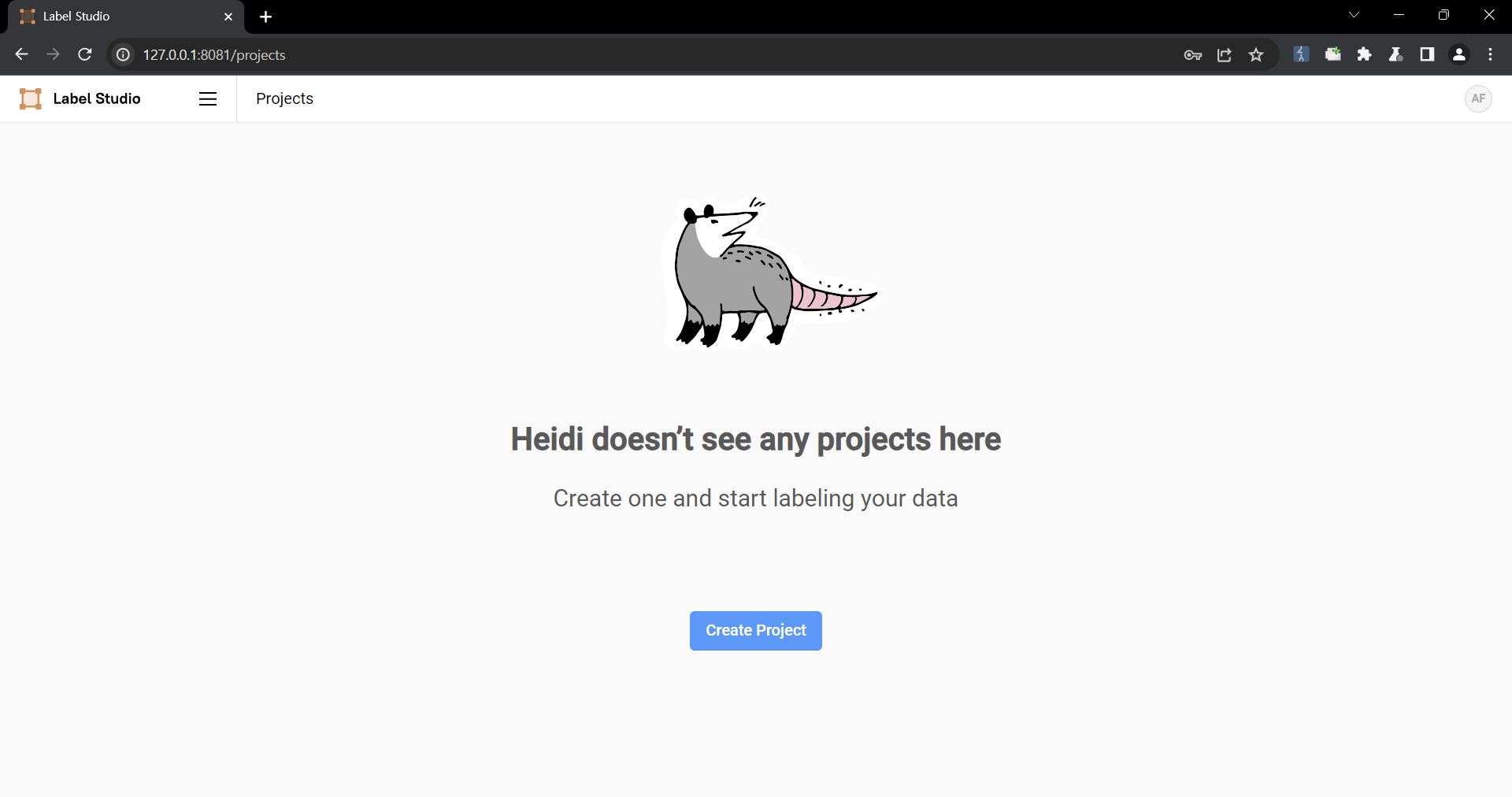 2. Upload a file containing the payload using the "Upload Files" function. 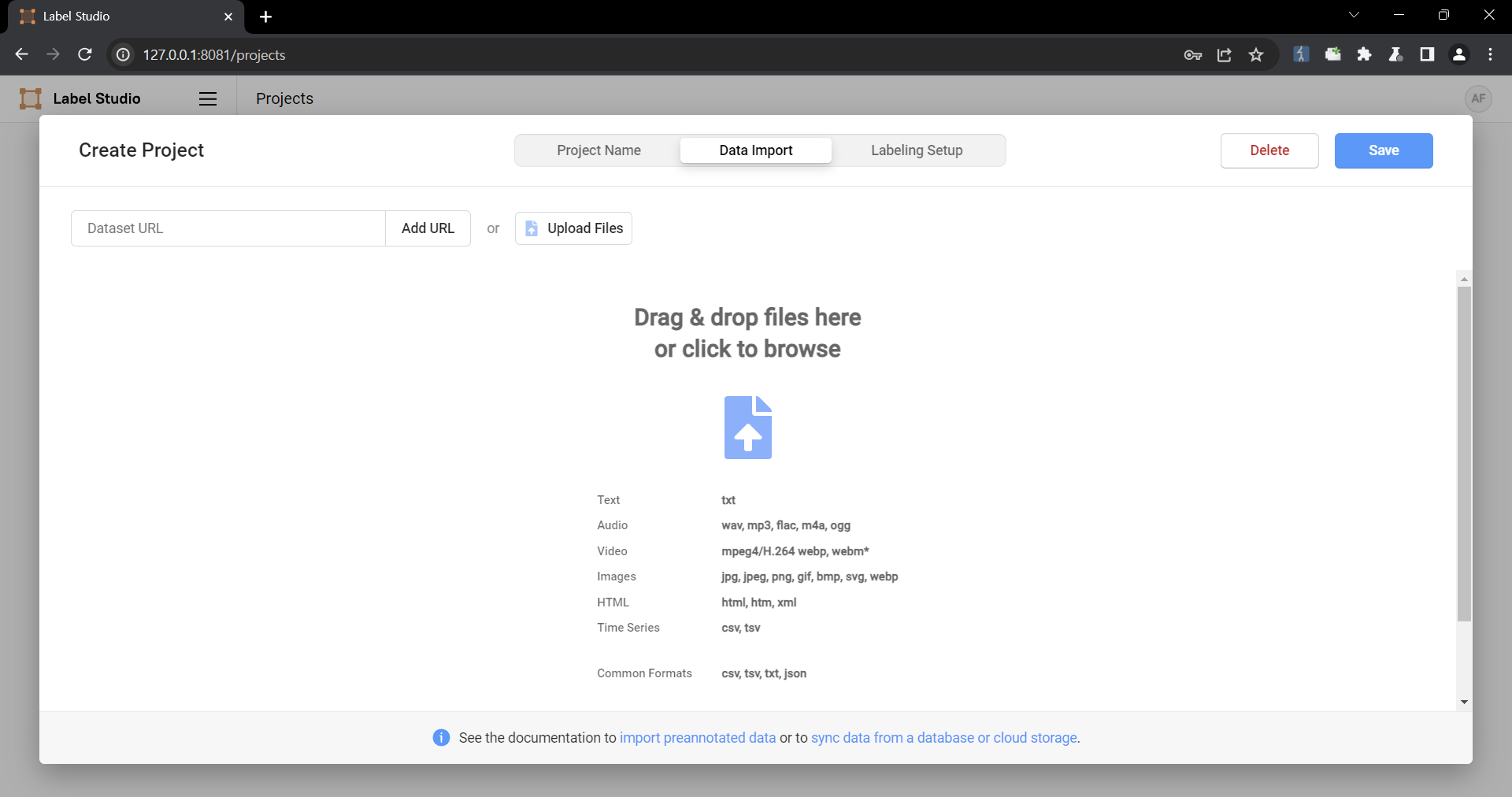 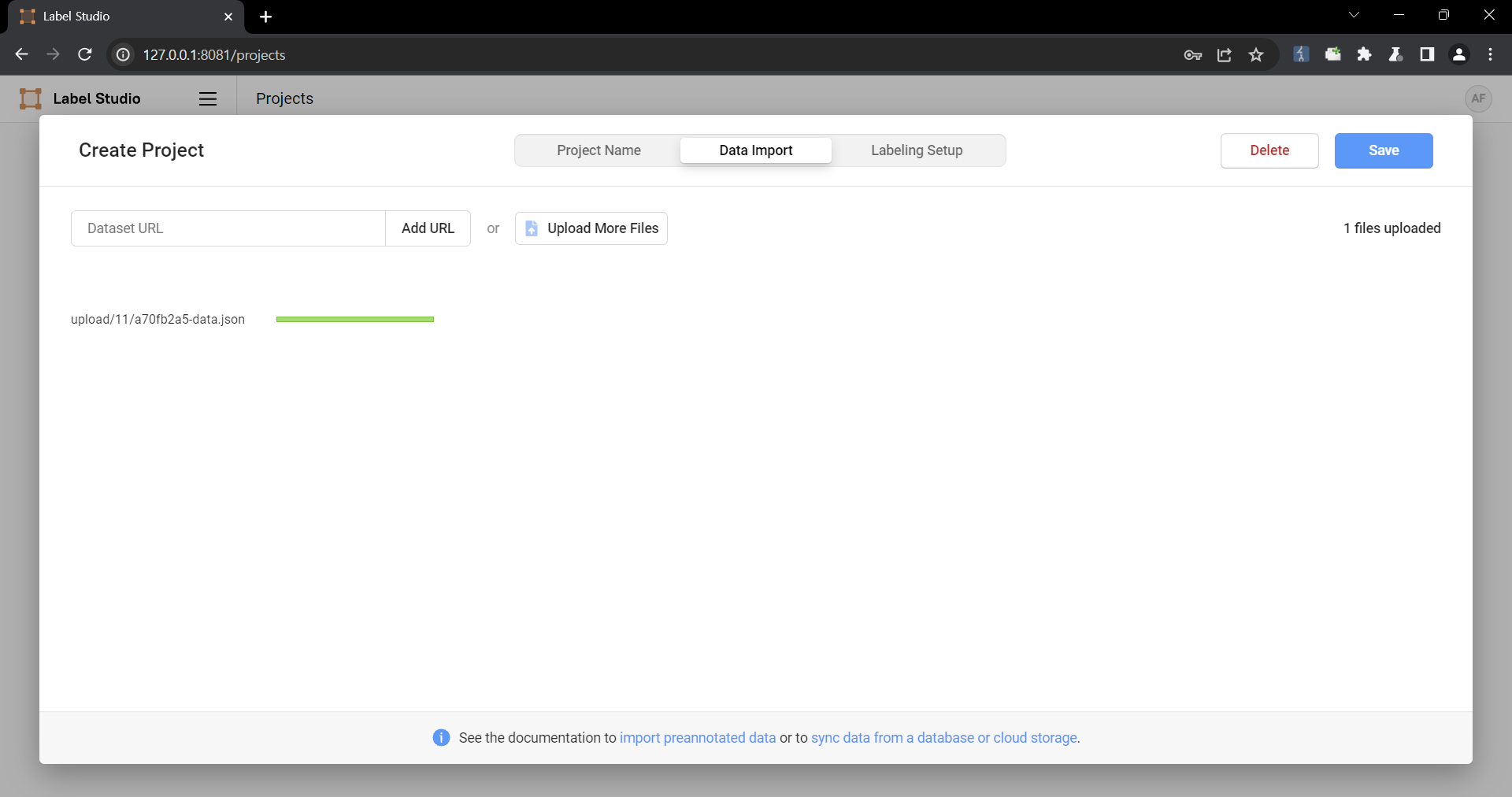 The following are the contents of the files used in the PoC ``` { "data": { "prompt": "labelstudio universe image", "images": [ { "value": "id123#0", "style": "margin: 5px", "html": "<img width='400' src='https://labelstud.io/_astro/images-tab.64279c16_ZaBSvC.avif' onload=alert(document.cookie)>" } ] } } ``` 3. Select the text-to-image generation labeling template of Ranking and scoring 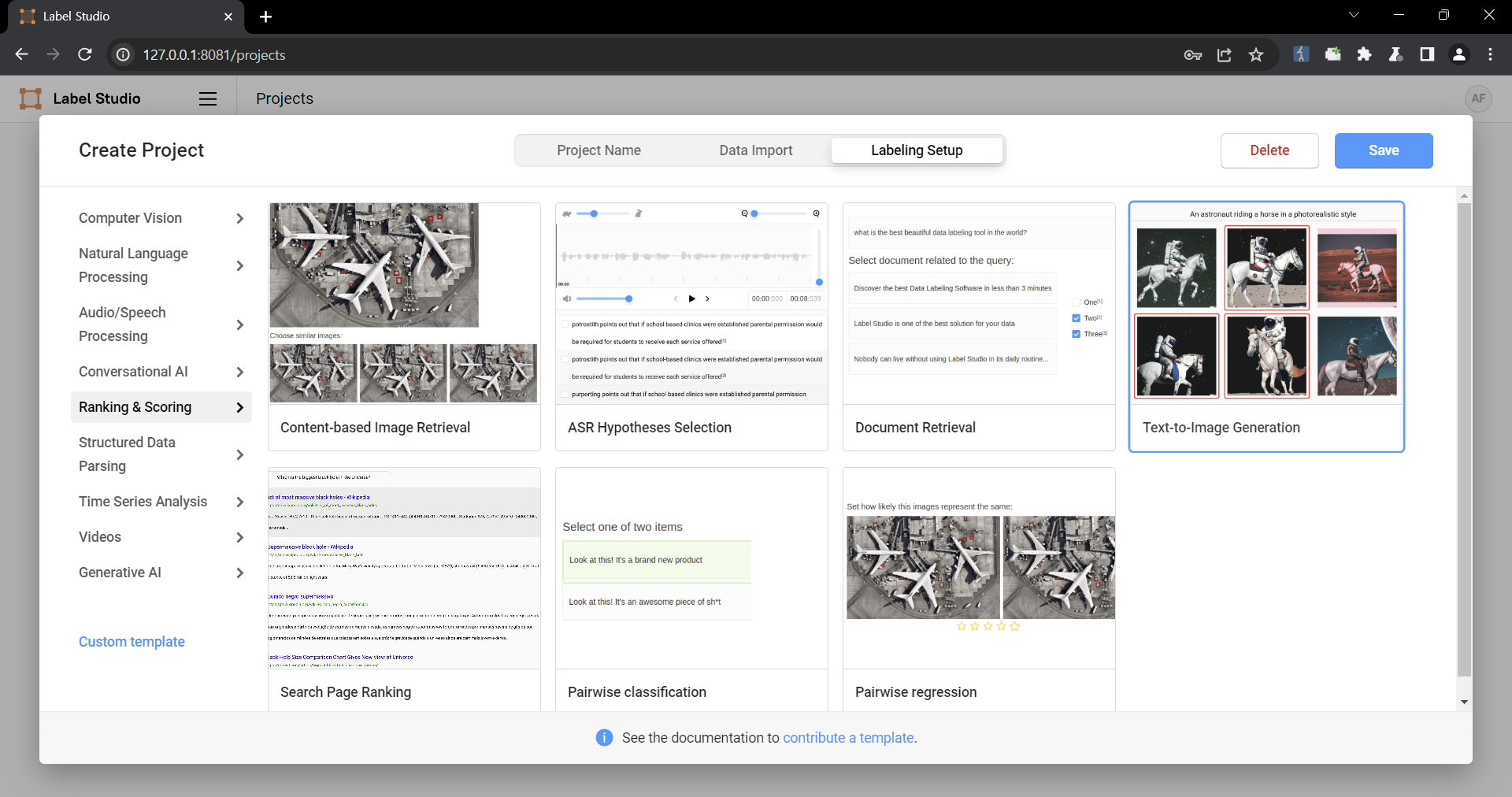 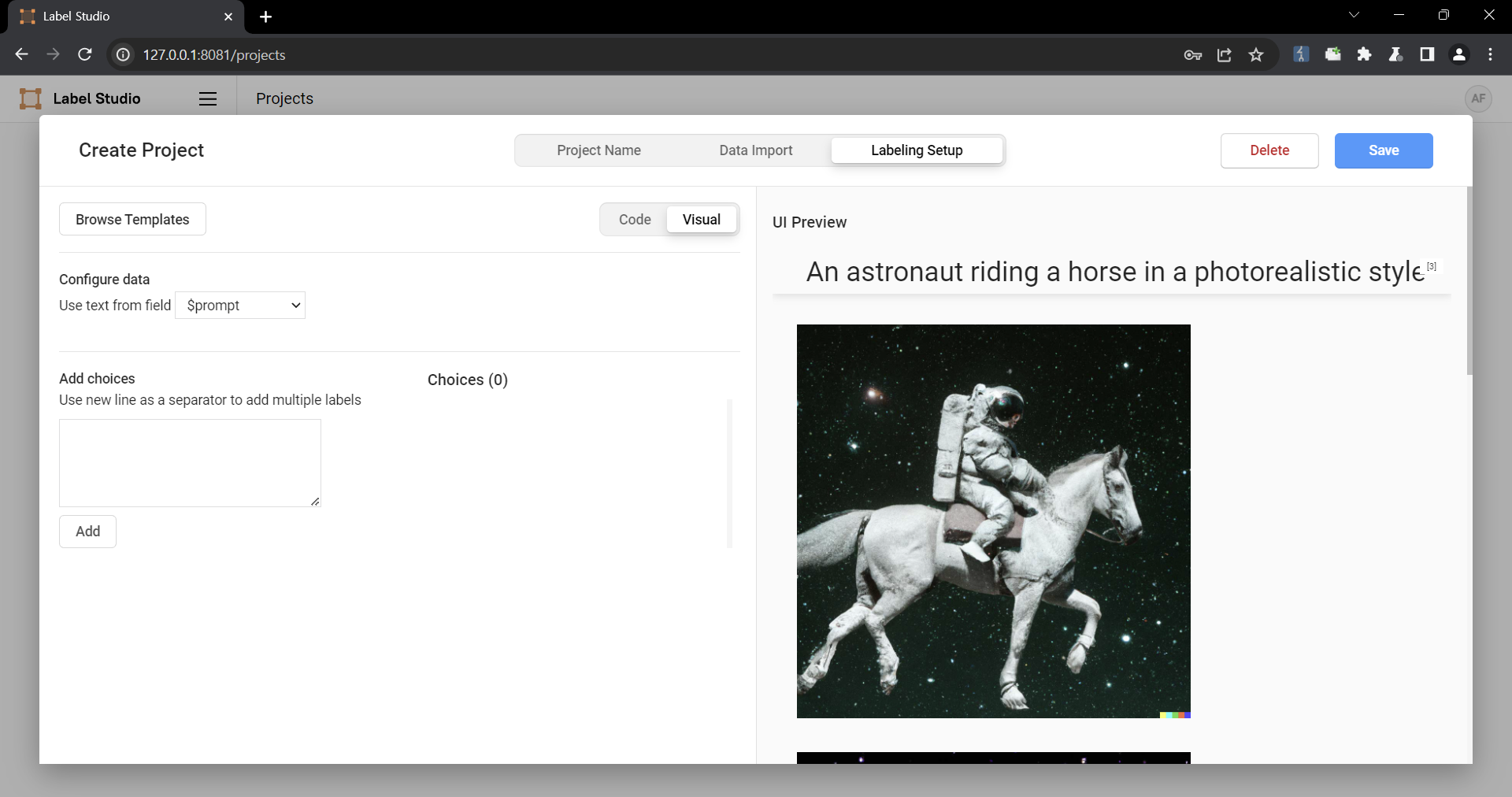 4. Select a task 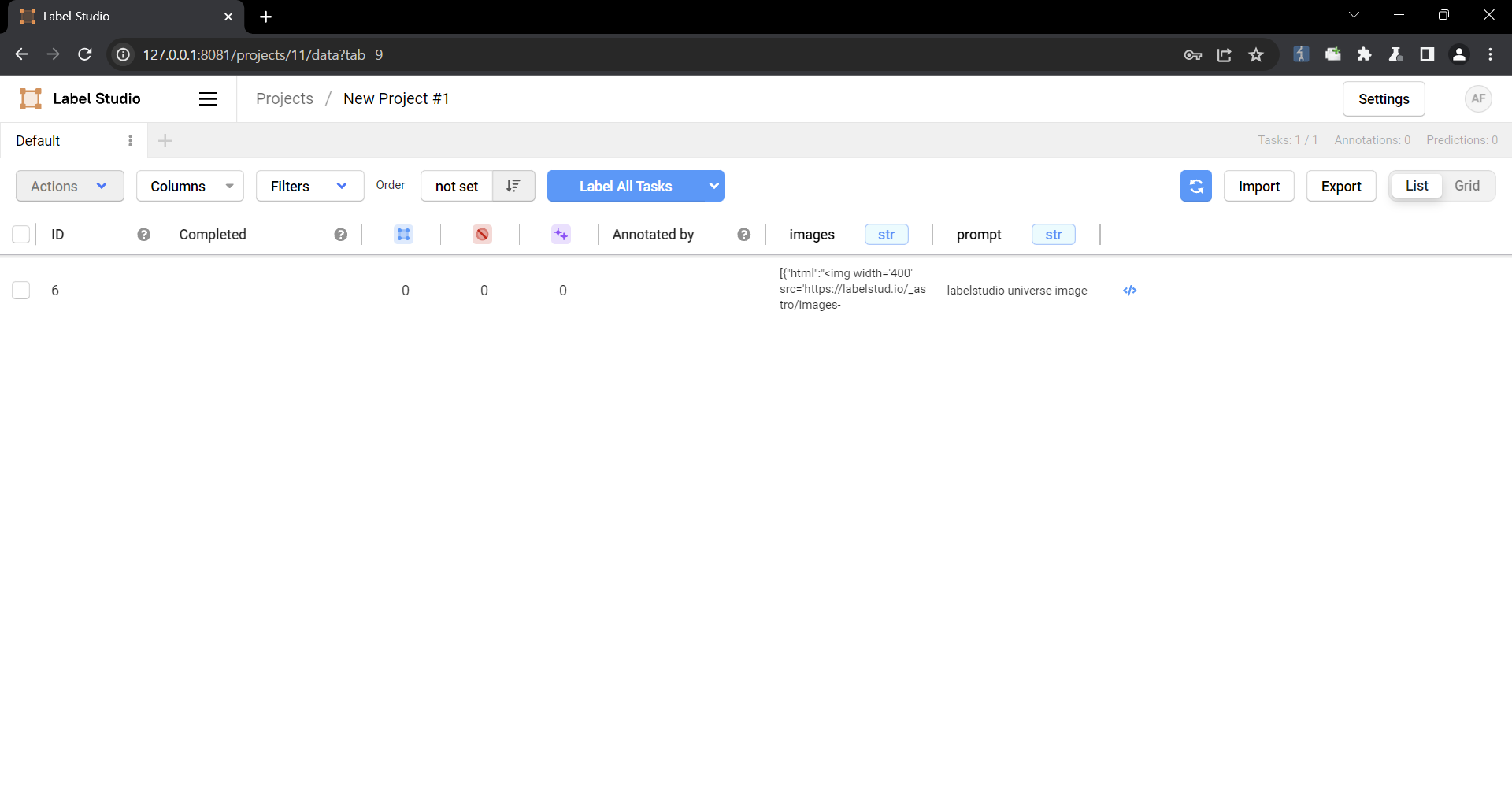 5. Check that the script is running 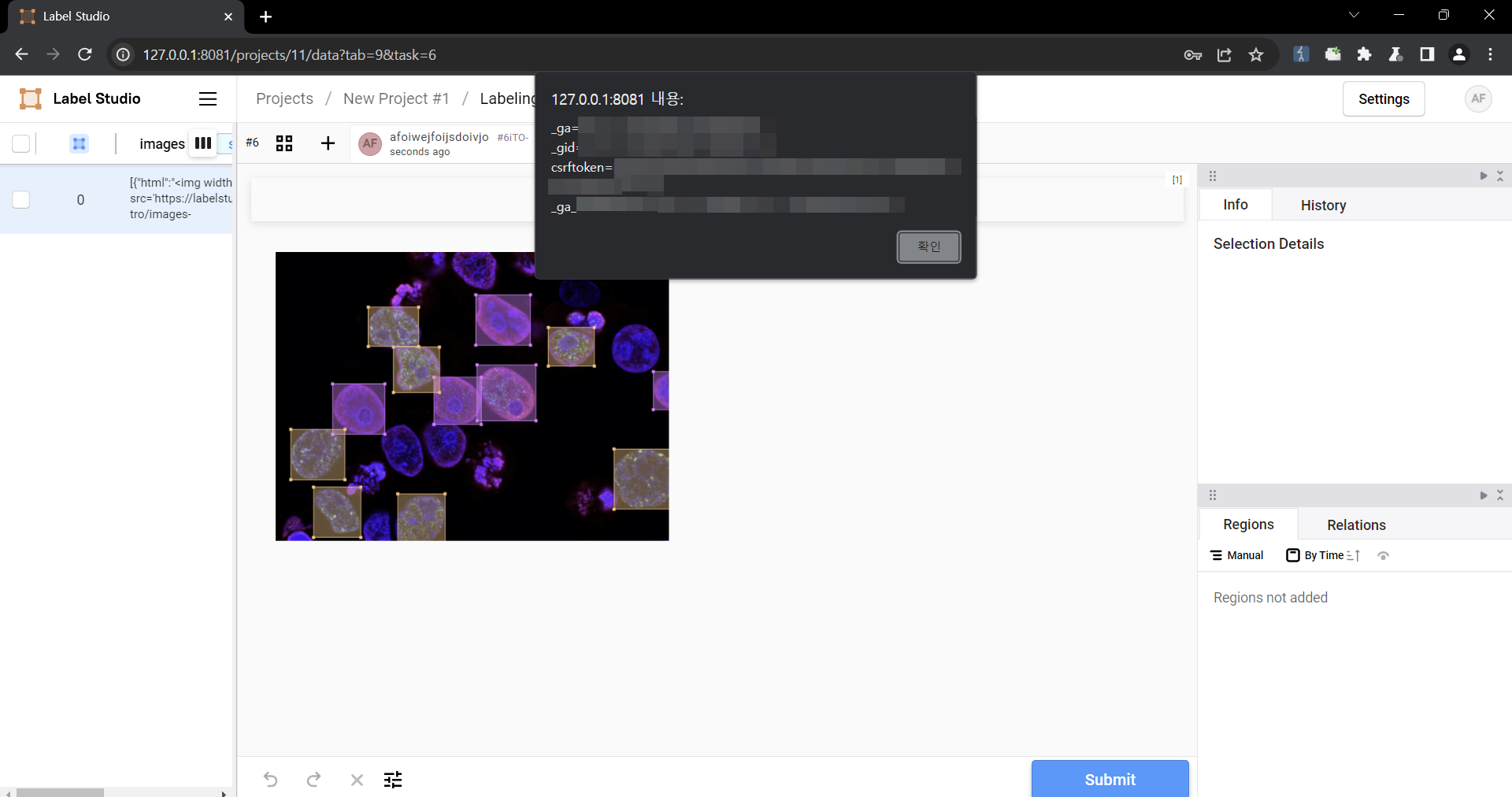 ### Impact Malicious scripts can be injected into the code, and when linked with vulnerabilities such as CSRF, it can cause even greater damage. In particular, It can become a source of further attacks, especially when linked to social engineering.
-
CVE-2024-38064
Windows TCP/IP Information Disclosure Vulnerability
CVE records published in 2024 (ids starting CVE-2024-), sorted by how likely they are to be exploited.